
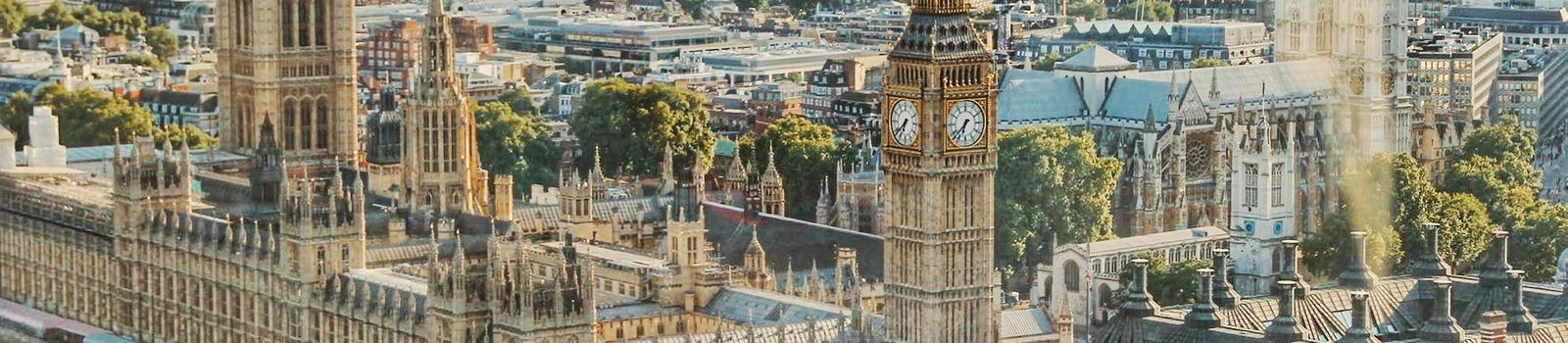
Recent reports revealing more than 1,650 asbestos-containing items across the Parliamentary estate have highlighted the continuing challenges of managing asbestos in Britain's ageing buildings, just days after the Health and Safety Executive (HSE) announced measures to strengthen asbestos safety standards.
According to a BBC News report published on 5 November 2026, the number of identified asbestos-containing items within the Palace of Westminster and wider Parliamentary estate has increased by approximately 500 since 2021.
Despite around 700 items being removed over the past five years, further surveys undertaken in preparation for the proposed restoration of Parliament have identified additional asbestos-containing materials.
The findings provide a timely reminder that asbestos remains a significant consideration for those responsible for managing, maintaining and refurbishing buildings across Great Britain.
Strengthening Asbestos Safety Across Great Britain
The Parliamentary findings follow an announcement by the HSE on 3 November 2026 outlining measures to strengthen the regulatory framework for managing asbestos.
Following a public consultation, HSE confirmed action in three key areas:
- Improving independence in asbestos clearance: Introducing changes to ensure that analysts responsible for site clearance certification are appointed independently of the asbestos removal contractors undertaking the work.
- Raising asbestos surveying standards: Developing further guidance to help dutyholders commission quality asbestos surveys from competent professionals.
- Clarifying Notifiable Non-Licensed Work (NNLW): Improving guidance to support a clearer and more consistent understanding of the requirements for certain types of asbestos work.
These developments aim to strengthen existing protections and improve the management of asbestos risks across Great Britain.
The changes to the four-stage clearance process will be introduced through amendments to the Control of Asbestos Regulations 2012, with a transitional period allowing industry time to prepare for the new requirements.
Read UKATA's full article on the HSE's announced changes to asbestos regulations.
Why Effective Asbestos Management Remains Essential
Although asbestos was banned in Great Britain in 1999, asbestos-containing materials remain present in many buildings constructed or refurbished before that date.
The Parliamentary estate is one example of the difficulties associated with identifying and managing asbestos within older buildings, particularly where extensive maintenance or refurbishment work is required.
The discovery of additional asbestos-containing materials does not necessarily indicate that asbestos risks have increased. Rather, it demonstrates the importance of thorough surveying, accurate records and ongoing assessment as further areas of a building are inspected.
Under the Control of Asbestos Regulations 2012, dutyholders responsible for relevant non-domestic premises must take reasonable steps to determine whether asbestos is present, assess the risks and implement appropriate management arrangements.
Where asbestos-containing materials are in good condition and unlikely to be disturbed, they can often be safely managed in place. However, maintenance, refurbishment and demolition activities can create risks if appropriate precautions are not taken.
Effective asbestos management therefore requires more than simply identifying where asbestos may be present. It involves maintaining accurate information, communicating risks, regularly reviewing management arrangements and ensuring that those undertaking work are appropriately trained.
Training and Competence Remain Critical
The latest developments reinforce the importance of ensuring that individuals who may encounter asbestos during their work have the necessary knowledge to recognise potential hazards and respond appropriately.
Asbestos awareness training plays an important role in helping workers understand where asbestos-containing materials may be found, the health risks associated with exposure and the procedures to follow if suspected asbestos is encountered.
However, asbestos awareness training does not qualify individuals to undertake work that will disturb asbestos-containing materials. Appropriate additional training, competence and control measures are required depending on the nature of the work.
For employers, contractors and dutyholders, ensuring that personnel receive suitable information, instruction and training remains a fundamental part of meeting their legal responsibilities.
A Continued Commitment to Asbestos Safety
The discovery of further asbestos-containing materials within Parliament, alongside the HSE's latest regulatory developments, demonstrates why asbestos safety must remain a priority.
While the regulatory framework continues to evolve, the fundamental principles remain unchanged: asbestos must be properly identified, assessed and managed, and those who may encounter it must understand the risks.
UKATA welcomes continued efforts to strengthen asbestos safety standards and remains committed to promoting high-quality asbestos training through its network of approved training providers.
By supporting greater awareness, professional competence and understanding of legal responsibilities, UKATA and its members continue to play an important role in helping to reduce the risks associated with asbestos exposure.
Find UKATA-approved asbestos training: www.ukata.org.uk/training/find-training-provider/
Further reading
Published on Thursday 5th November 2026