
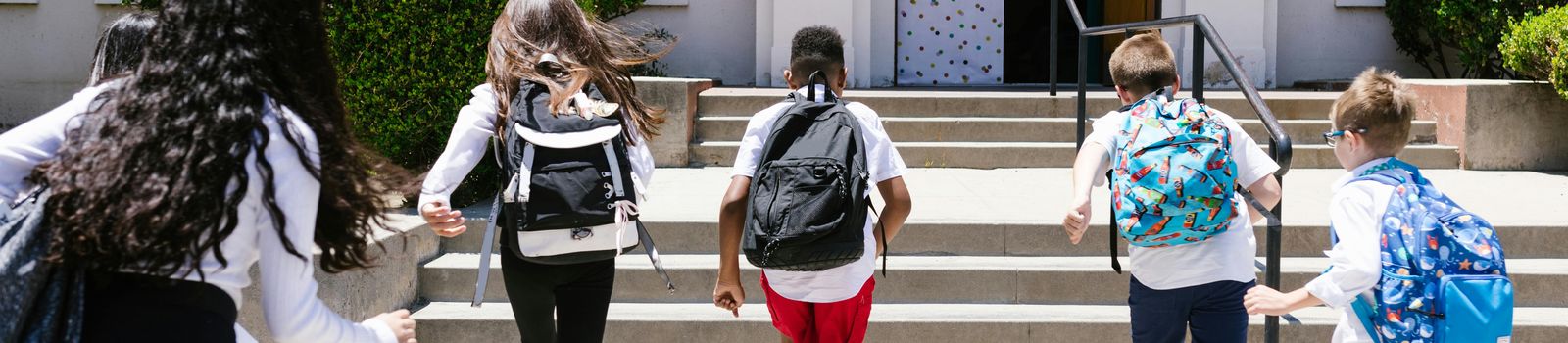
A major recall of children’s coloured play sand in Australia has resulted in the temporary closure of nearly 70 schools in the Australian Capital Territory (ACT), drawing international attention to the ongoing risks associated with imported materials and consumer products.
The recall, issued on 16 November 2025, followed the discovery of asbestos contamination in several batches of play sand sold by major retailers. Similar precautionary closures have taken place in New Zealand while further testing is carried out.
What Happened?
Asbestos traces were identified in several coloured sand products, including:
- Active Sandtub 14-piece Sand Castle Building Set
- Blue, Green and Pink “Magic Sand” products
Although the Australian Competition & Consumer Commission (ACCC) stated that the risk of fibres becoming airborne is low, national safety legislation requires risks to be reduced so far as is reasonably practicable.
In response:
- 69 ACT schools will close temporarily for inspection and testing
- State Emergency Service teams are assisting schools to locate and map all coloured sand products
- Air monitoring so far has shown no airborne asbestos fibres
- An additional 23 schools will remain open, as they have limited or no stock of the products
Authorities expect inspections to take several days, but early reports indicate minimal immediate risk.
A Reminder of Asbestos in Unexpected Products
While asbestos is commonly associated with older buildings, incidents such as this highlight that it can still be found in modern consumer goods—particularly those manufactured via complex international supply chains.
Globally, asbestos contamination has previously been identified in:
- Children’s toys and craft items
- Crayons and modelling clays
- Low-cost decorative materials
- DIY products purchased online
The incident serves as a reminder that asbestos risks are not confined to construction environments.
Relevance to the United Kingdom
There is currently no evidence that the affected play sand products have entered the UK market. However, this situation underscores the importance for UK schools, retailers and childcare providers to maintain vigilance concerning the origin and quality of imported materials.
Key considerations include:
- Ensuring suppliers have robust product testing regimes
- Reviewing procurement processes for children’s craft and play materials
- Reporting concerns promptly to regulators
- Keeping staff trained in asbestos awareness to support safe decision-making
Competent asbestos training helps staff respond calmly and appropriately to unusual or emerging risks.
A Coordinated Safety Response
Australian authorities have acted swiftly, providing clear communication to schools and parents whilst inspections are undertaken. Although the overall risk appears low, the precautionary closures demonstrate a commitment to eliminating or controlling the risk as required by legislation.
This approach reflects best practice in asbestos management: act early, communicate clearly and err on the side of safety.
Looking Ahead
Internationally, the incident is likely to prompt further discussions about:
- Strengthening supply chain checks for children’s products
- Improving testing standards for imported goods
- Raising awareness of non-traditional asbestos risks
- Ensuring staff across education and childcare settings are equipped with the right knowledge
For the UK, it reinforces the ongoing need for high-quality asbestos awareness and management training to ensure organisations are prepared for unexpected situations.
Published on Monday 17th November 2025